At MEAN BERLIN, we make sure that every piece of clothing is rooted in the city’s spirit. In its streets, its history, and the hidden stories that make Berlin unlike anywhere else. With our MEAN STATIONS series, we reimagine iconic U-Bahn stops through streetwear, blending architecture, design, and culture into wearable fragments of the city.
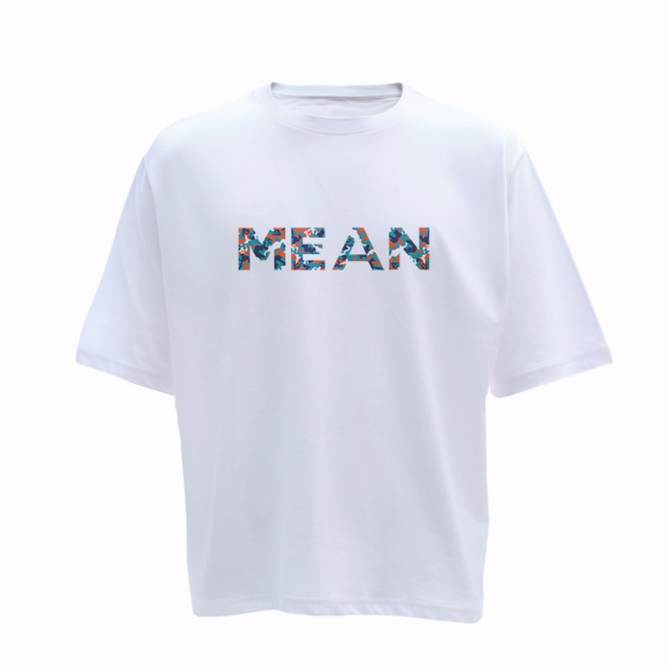
This edition takes us to Fehrbelliner Platz, nicknamed Fehrbe, a square where Berlin’s layered past collides in striking ways: Prussian victories, Nazi monumentalism, British occupation, and the pop-art flair of Rainer Rümmler’s U7 station design. The contrasts here are sharp and unapologetic, just like the whole city. Our Fehrbe Camo T-shirt channels these tensions and allows you to be a part of the next step of the iconic square’s history.
Introducing MEAN BERLIN’s Fehrbe U-Bahn Camo
The T-shirt reflects the layered history of the station and its surrounding area, capturing the tension between past and present. These contrasts come to life through the colors of our camo Urban Jungle design: rich amber orange, weathered turquoise, and deep royal blue. These shades mirror the conflicting architecture and history of Fehrberlliner Platz.
The colours also draw inspiration from the platforms of the U-Bahn itself-most notably the historically listed U3 station where warm orange and brown tones dominate the design. As well as the U7 station, known for its striking blend of blue and orange. These elements come together on the T-shirt, allowing you to carry the spirit of the stations with you wherever you go.
A unique U-Bahn station at Fehrbelliner Platz
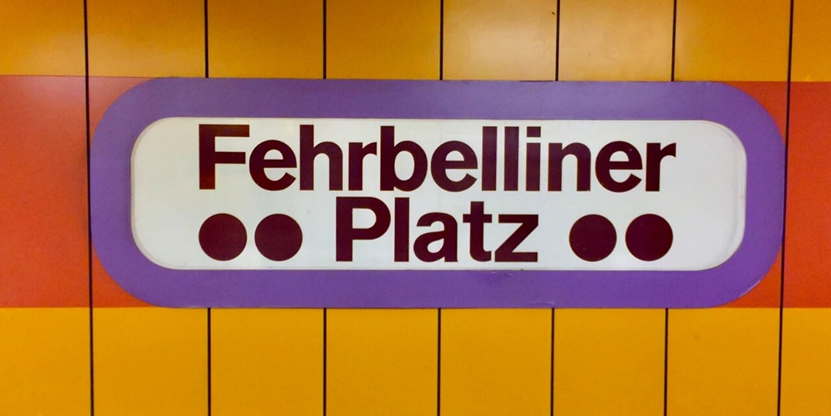
The station opened in 1913 and is a transportation hub with U-Bahn station’s U3 and U7. These lines connect the west to the inner city, while the square itself is dominated by traffic and administrative buildings. For many Berliners, it’s just a place you pass through on your way somewhere else. So, next time you’re at Fehrbelliner Platz U3 platform remember that most of it hasn’t changed at all since 1913. It is a protected heritage site and a rare slice of pre-war design that still functions as part of the city’s daily rhythm.
Carry on until the 1960’s and 1970’s the story shifts. Architect Rainer Rummler, known for his many colourful and different U-Bahn designs, gave many stations completely different characters. From the 1960s onwards almost every new station in West Berlin bore his signature. Discover all the stations he designed here. Check them out and let us know what’s your favourite!
There is none that stand out quite like the station at Fehrbelliner Platz. Nicknamed the ‘oil rig’, the U7 hall is a bold, circular structure clad in red and rounded edges. It looks more like a piece of pop art than a train station. Inside the building, ceiling lamps illuminate the room, sticking to the round shapes that characterise the station.
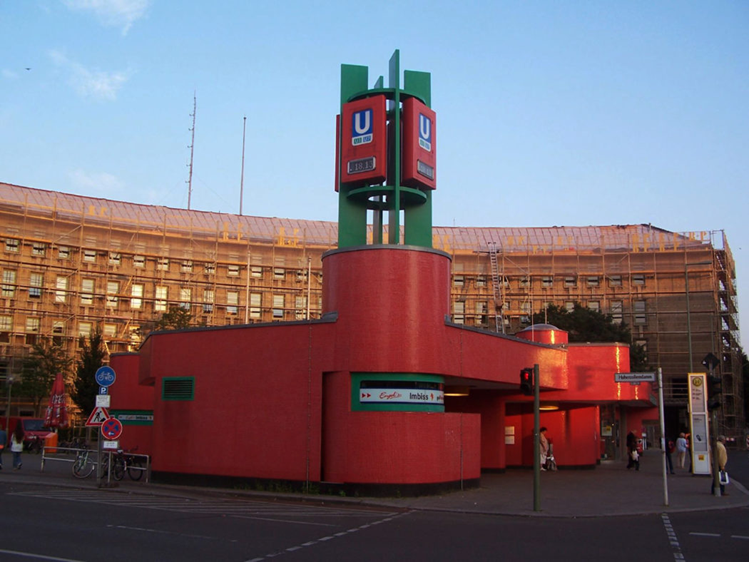
The result is a striking clash of eras: the rigid Nazi stone blocks of the buildings that frame the square versus the playful pop-art energy of Rummler’s design. Few places in Berlin make the city’s layered history so visually obvious. Standing at Fehrbelliner Platz is like looking at the whole 20th century and beyond in one gaze.
Layered history: from Prussian battles, Nazi architecture to British occupation
Fehrbelliner Platz is not beautiful in a traditional sense, but it tells the story of Berlin’s shifting centres of power, identity, and survival. The square’s layers of history are still visible from the Nazi monumentalism and the traces of British occupation. Lets discus it all!
The square was once in the town of Fehrbellin, northwest of Berlin. It is named after the Battle of Fehrbellin in 1675 between Swedish invaders and Brandenburg-Prussian defenders. Led by Federick William, the Great Elector Brandenburg beat the previously ‘unbeatable’ Swedes and established Prussian power. The victory was so significant that in the 19th century, it became a holiday that was celebrated in Germany until 1914.
In the 1920s the previously independent city of Berlin-Wilmersdorf was incorporated in the formation of Greater Berlin. The comparatively low land prices compared to the centre of Berlin made the town square of Fehrbelliner Platz attractive for new administrative buildings. Moving on a few decades, Fehrbelliner Platz is the ideal place to see what Berlin would have looked like if history had taken a different course. The square in Wilmersdorf is full of colossal Nazi architecture. Administrative buildings that served as office complexes for state associations during the Nazi period line it’s streets.
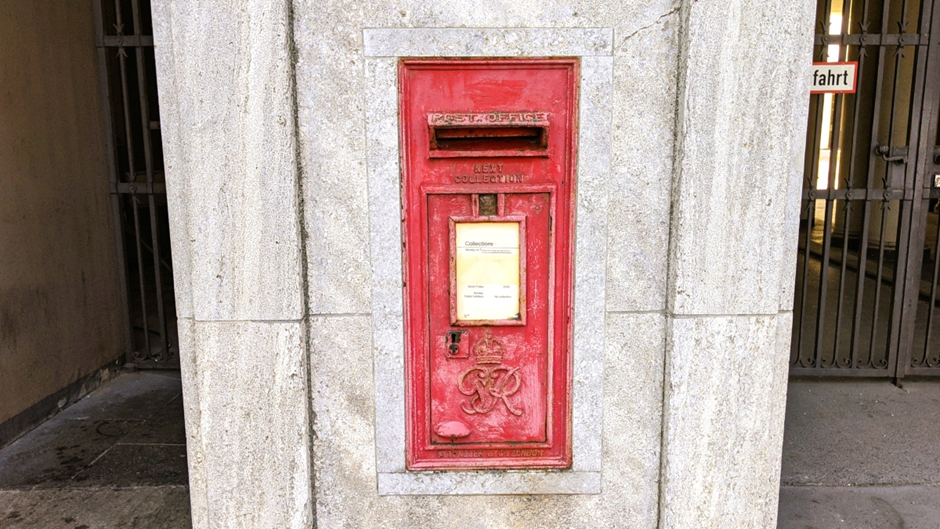
After the war in 1945, a new chapter of history unfolded when British occupying forces moved into these administrative buildings. Turning Wilmersdorf Town Hall into Lancaster House, it served as their headquarters until 1954. Fehrbelliner Platz had become an important West Berlin administrative center for the British, with 15,000+ employees. Try and find the marks of this period that still remain like the British postbox outside the town hall, next time you’re passing by Fehrbelliner Platz.
Top things to do around Fehrbelliner Platz
Visit the Flea market. It offers a wide range of thrift items on Saturdays and Sundays- from clothing to antiques we’d recommend visiting, with the backdrop of the must see history and architecture as you shop!
Walk down the Kunst-Meile. This is a pop up every Sunday where artists can show their paintings, drawings, ceramics and much more. You never know what you’ll find on the streets of Fehrbi!
Continue to delve into West Berlin’s history by visiting Charlottenburg Palace and witness the grandeur of Berlins past yourself. It’s only a few stops on the U-Bahn.
If you fancy a bite to eat, there’s the Thai park. A popular Thai street food market just around the corner from Fehrbi.
The Kommunale Galerie on Hohenzollerndamm regularly hosts thought-provoking exhibitions showcasing Berlin’s diverse art scene.
Finally, we’d say to end your day with a beer at Park Café. They have a great beer garden with a chilled natural vibe, that is a local to many of Wilmersdorf’s residents.
Thank you for following our MEAN STATIONS series. Every street, every station, and every story inspires us and together, we carry the energy of this incredible city. We are all MEAN BERLIN.
